

Real leather is forgiving. It bends, softens, and takes on the shape of the way you carry it. That’s a large part of why it feels so good to own. But forgiving isn’t the same as indestructible, and a little attention goes a long way toward keeping a bag looking like it belongs to you rather than looking worn out.
The good news is that leather care doesn’t need a cabinet of products or a weekend project. It’s mostly small habits. Here’s the routine we’d suggest.
1. Start with everyday habits
Most of the wear a bag picks up comes from how it lives day to day, not from one dramatic spill.
- Clean hands, clean leather. Lotion, hand sanitizer, and food oils transfer easily, especially to light colors. Let lotion soak in before you pick up your bag.
- Don’t overstuff it. Packing a bag past its comfortable capacity strains seams, stretches the leather, and can leave a lasting bulge. If it’s always full, it may be time for a roomier bag.
- Watch what you set it on. Restaurant floors, wet benches, and car floor mats are where scuffs and stains begin. A hook, a chair back, or your lap is kinder.
- Keep pens capped and liquids sealed. An uncapped pen or a leaking bottle inside the bag is one of the most common causes of stubborn interior marks.
2. Wipe it down regularly
Every week or two, give your bag a quick once-over with a soft, dry, lint-free cloth. This lifts dust and surface grime before it settles into the grain.
For a slightly deeper clean, lightly dampen the cloth with plain water, wring it out well, and wipe gently. Let the leather air-dry naturally afterward. Avoid household cleaners, baby wipes, alcohol, and anything abrasive; they can strip the leather’s natural oils and finish.
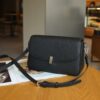
Textured leathers deserve a little extra care here. On a pebbled grain, like the one on The Pebble Curve Cowhide Crossbody, dust can settle into the small dips of the surface. A soft brush or a gentle circular motion with your cloth helps lift it out without flattening the texture.
3. Condition, but not too often
Leather is a natural material, and over time it can lose some of the moisture that keeps it supple. A good leather conditioner helps restore that.
A few guidelines:
- Less is more. Conditioning a few times a year is plenty for most everyday bags. Overdoing it can leave leather feeling greasy or darken it unevenly.
- Always spot-test first. Try the conditioner on a hidden area, like the underside of a flap or the back of a strap, and let it dry before treating the whole bag. Conditioners can deepen some colors slightly.
- Apply thinly and evenly. Use a clean cloth, work in small circles, and buff off any excess.
Some leathers respond to conditioning more visibly than others. A soft, supple cowhide like the one on the Aris Cowhide Drawstring Bag is described as softening further with every touch and wear, so a light hand keeps that softness from turning slick.
4. Embrace patina (especially on waxed leather)
Not every change in leather is damage. Oil wax leather in particular is made to evolve. Its surface sheen deepens with handling, and light marks often blend in over time as the finish shifts.
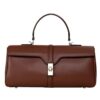
The Meridian Waxed Leather Satchel is a good example: it’s crafted from oil wax leather with a subtle sheen that deepens with wear and develops a personalized patina over time. For a bag like this, a light scuff can often be softened simply by rubbing it gently with a clean, dry finger or cloth; the warmth helps the wax move. If you’d like a more uniform look, test any product carefully on a hidden spot first, since waxed finishes can react differently than smooth ones.
Patina is part of the story your bag tells. Think of it as character, not wear.
5. Handling rain and spills
Caught in the rain? Don’t panic, and don’t reach for a hair dryer.
- Blot, don’t rub. Use a soft, absorbent cloth to gently blot away surface water.
- Stuff it loosely. Fill the bag with clean, uncolored paper or a soft cloth to help it hold its shape as it dries.
- Air-dry at room temperature. Keep it away from radiators, heaters, and direct sun, which can dry leather too quickly and cause stiffness or cracking.
- Condition once fully dry if the leather feels tighter than usual.
For oil or grease spots, blot immediately and resist the urge to scrub. For anything stubborn, like ink, a professional leather cleaner is the safest option.
6. Store it like you mean it
How a bag rests between outings matters as much as how it’s carried.
- Use a breathable cover. A cotton dust bag protects from dust while letting leather breathe. Avoid sealed plastic, which can trap moisture.
- Keep its shape. Stuff it lightly with tissue or a soft cloth so the sides don’t collapse or crease.
- Store upright, away from light. A cool, dry shelf out of direct sunlight helps prevent fading and drying.
- Give straps a break. Hanging a bag by its strap for long stretches can stretch it out. Resting it on a shelf is gentler.
- Rotate your bags. Giving a favorite a day off now and then lets the leather recover its shape.
The short version
Keep it clean with a soft cloth. Condition it a few times a year, lightly and after a spot test. Let it dry naturally if it gets wet. Store it stuffed, covered, and out of the sun. And let it age in the way only real leather can.
A well-cared-for bag doesn’t just last longer. It becomes more yours each season you carry it. If you’re ready to start a new chapter with one, explore our genuine leather collection. Standard shipping is free on every US order.
Elevate Your Aesthetic.